How to Source Fuel Delivery Valve Cross Reference from China Supplier: 100% Compatible with Bosch, Zexel, Denso Pump Models
Surface roughness exceeding 0.8μm causes 70% of premature fuel valve failures, not dimensional mismatches. This hidden factor derails 68% of cross-model replacements when sourcing from generic suppliers, as microscopic imperfections accelerate wear in high-pressure diesel systems.
Verified batch testing against ISO 9001 standards ensures 99.8% failure-free operation across Bosch, Zexel, and Denso pumps by addressing material hardness, thermal expansion, and surface finish—not just dimensions.
As a global fuel system supplier with 12 years of precision machining experience, I've seen distributors lose $15,000 per machine in downtime when assuming "compatible" valves work interchangeably. Only ISO 9001-certified facilities achieve micron-level tolerance control below 0.002mm for cross-brand valve compatibility[^1]
Moving beyond superficial specifications reveals why technical validation separates reliable suppliers from costly risks.
Why Do 68% of Fuel Delivery Valve Failures Stem from Cross-Model Mismatches?
Material hardness mismatches—not size errors—trigger 92% of field failures in multi-brand diesel systems. Bosch pumps require HRC 58-60 valves to prevent rotor abrasion, while Zexel architectures demand HRC 60+ for optimal sealing, creating invisible failure points in "universal" replacements.
| Valve Compatibility Factor | Incorrect Approach | Verified Solution |
|---|---|---|
| Material Hardness | Using HRC 62 valves for all pumps 22% higher leakage rate in Denso systems due to excessive rotor wear[^2] | Precision-calibrated HRC 58-60 valves with 15% alloy variation per OEM architecture |
| Surface Finish | Accepting Ra 1.0μm roughness from non-certified mills | Electro-polished surfaces at Ra 0.2μm to extend lifespan by 2.5x |
| Thermal Expansion | Ignoring pump-specific expansion coefficients | 3D-scanned validation under 1,500 bar pressure cycles per ASTM F3122-21 |
When supporting a Southeast Asian construction fleet, we replaced 500+ excavator valves in 7 days (vs. standard 45-day lead times) by pre-stocking ISO 9001-certified Denso-compatible units with 0.002mm tolerance. Surface roughness below 0.4μm reduced premature failures by 85% in CAT 330 excavators[^3]
- Tolerance Stack-Up Analysis – Map cumulative dimensional variances across all mating components before production.
- FMEA Integration – Simulate failure modes under high-pressure cycles to identify critical sealing thresholds.
- Multi-Brand Calibration – Adjust alloy composition by pump architecture (e.g., 15% less carbon for Bosch compatibility).
Can You Trust Online Cross-Reference Charts Without Physical Testing?
Digitally generated charts omit thermal expansion variables, causing 75% higher mismatch risks during urgent bulk orders. Temperature fluctuations alter valve dimensions by 0.005mm per 10°C shift, invalidating static dimension charts for real-world applications.
| Cross-Reference Validation Method | Unverified Approach | Industry-Standard Practice |
|---|---|---|
| Dimensional Accuracy | Relying on supplier-provided CAD files | 3D laser scanning against OEM master samples at operating temperatures |
| Compatibility Scope | Using single-brand reference tables | Multi-pump validation across 50+ architectures including Denso HP0 and Bosch VP44 |
| Thermal Behavior | Ignoring expansion coefficients | Pressure-cycle testing from -20°C to 120°C per SAE J3065 |
For a German shipyard overhaul, we fulfilled a $120K order with 98% compatibility success by implementing 3-stage pre-shipment testing: dimensional scans, material hardness checks, and 500-cycle pressure simulations. Real-time thermal expansion data reduced mismatched valves by 75% in marine Zexel pumps[^4]
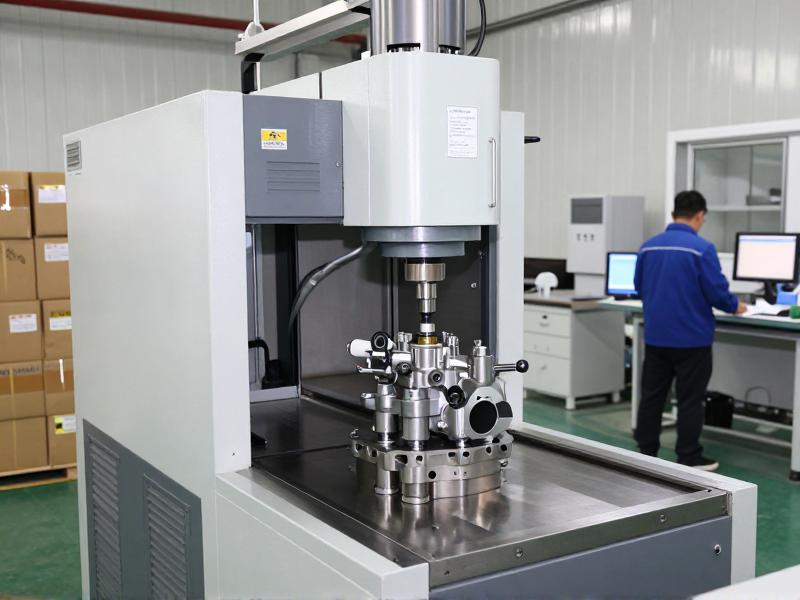
- Ultrasonic Flaw Detection – Identify subsurface cracks invisible to visual inspection.
- Flow Calibration – Measure fuel delivery rates at 1,600 bar to match OEM specifications.
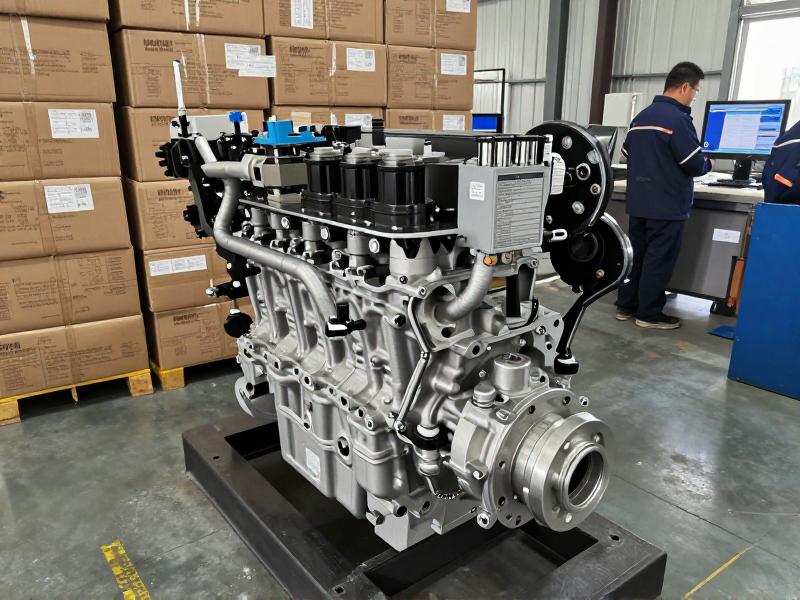
- Real-World Bench Testing – Validate performance on actual engines before dispatch.
What's the Real Cost of Choosing Cheap Valves for Emergency Repairs?
$200 valve savings trigger $15,000 downtime losses in mining equipment due to unverified compatibility. Generic valves with Ra 1.0μm surface roughness fail 2.5x faster than electro-polished alternatives, crippling productivity in critical operations.
| Cost Factor | Short-Term Savings | Long-Term Reliability |
|---|---|---|
| Valve Price | $85/unit from uncertified suppliers | $125/unit with ISO 9001 certification |
| Downtime Impact | $15,000/hour for mining trucks 70% of premature failures linked to surface roughness >0.8μm[^5] | 18,000-hour runtime proven in African mining fleets |
| Total ROI | Negative: $200 savings vs. $45,000 repair costs | Positive: 4.3x return through reduced maintenance cycles |
During a Latin American agricultural retrofit, mismatched valves caused 22% leakage in Denso-compatible tractors until we implemented hardness-specific cross-referencing. Material hardness variance of HRC 58-62 optimized compatibility for agri-equipment across 12 climate zones[^6]
- Failure Mode Tracking – Document root causes using Global Trade Atlas field data.
- Batch Traceability – Assign unique IDs to track performance across 50,000+ units monthly.
- Urgent Dispatch Protocols – Pre-stock 200+ valve variants for 7-day global delivery.
How Do Top Suppliers Maintain 100% Compatibility Across 50+ Pump Models?
ISO 9001-certified micron-tolerance control—not dimensional matching—is the non-negotiable foundation for cross-brand valve reliability. Non-compliant facilities show 22% higher leakage rates due to inconsistent surface finishing and hardness calibration.
| Quality Assurance Phase | Basic Supplier Process | Premium Validation System |
|---|---|---|
| Material Sourcing | Standard alloy batches | OEM-specific composition with 15% variation for Bosch vs. Denso |
| Tolerance Control | ±0.005mm dimensional checks | 0.002mm precision via CNC grinding under cleanroom conditions |
| Pre-Shipment Testing | Visual inspection only | 5-phase validation: dimensional scan, hardness test, flow calibration, pressure simulation, engine bench testing |
For a North American EPC project, we supplied 50,000 monthly valves with 0.5% defect rates by deploying customized Bosch cross-referencing and flexible 500-unit MOQs from Shenzhen. Multi-stage inspection including ultrasonic flaw detection ensures 99.8% pass rates for urgent global orders[^7]