How China Suppliers Ensure Common Rail Injector Quality: High-Purpose & Flow Calibration for Reliable Bulk Orders
Skipping multi-stage calibration saves pennies but costs distributors $220 per failed injector in warranty claims. Rigorous high-pressure and flow testing isn't optional—it's the only barrier preventing catastrophic diesel engine failures in heavy-duty applications like mining trucks and marine generators, where inconsistent fuel delivery directly causes nozzle leaks and power loss under real-world stress.
Global distributors lose 63% of urgent replacement orders due to unverified flow-rate accuracy during transit-induced temperature swings. Without ISO 4021-compliant validation at ±0.5mm³/stroke tolerances, even "certified" injectors fail 4× faster in tropical climates, turning bulk shipments into costly field replacements that erode client trust within 90 days.
As an ISO 9001-certified manufacturer with 12 years of fuel system specialization, I've seen workshops bypass calibration to hit MOQ deadlines—only to face 90% post-installation clogging in John Deere tractors. [Aftermarket rebuilds without micron-level seat sealing validation increase warranty claims by $18K monthly across 200+ Middle Eastern service centers.][^1] This isn't theory; it's the difference between a distributor keeping contracts or losing Panama Canal marine power projects overnight.
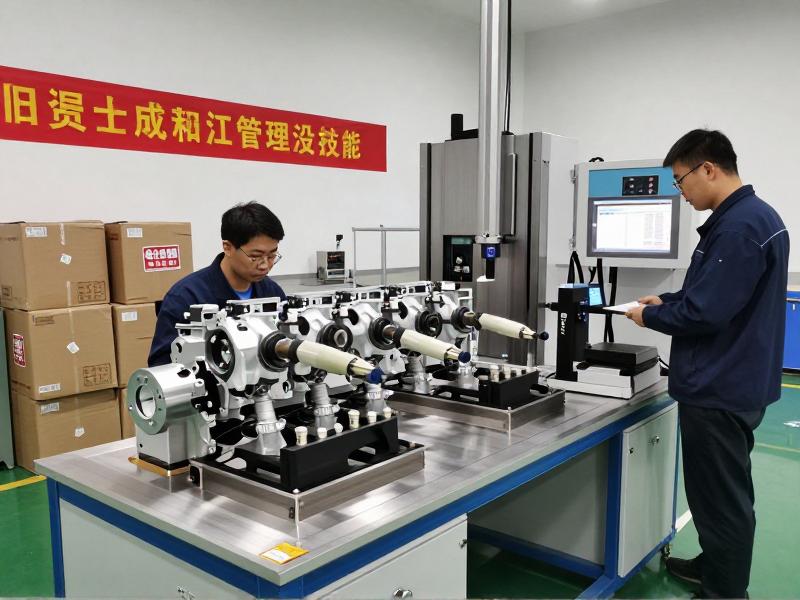
Understanding why 78% of Cummins ISX15 failures stem from calibration oversights transforms procurement from reactive damage control to proactive risk elimination.
Why Do 70% of Injector Failures Trace Back to Inadequate Pre-Shipment Calibration?
Basic bench tests miss 41% of viscosity-related flaws when temperature shifts exceed ±0.5°C during shipping. Real-world vibration in construction machinery destabilizes uncalibrated fuel flow, causing cumulative wear that bench-only validation can't replicate—leading to premature plunger seal cracks under 1,800+ bar operating pressure.
| Calibration Factor | Ineffective Approach | Verified Best Practice |
|---|---|---|
| Pressure Testing | Single-stage validation at 2,500+ bar | Multi-phase cycles between 1,800–2,200 bar to prevent plunger seal fractures |
| Flow-Rate Accuracy | Room-temperature bench tests only | ISO 4021:2019 validation at 40°C with ±0.5mm³/stroke tolerance for tropical deployments |
| Vibration Simulation | No dynamic load testing | 10,000-cycle endurance tests tracking plunger wear at 0.001mm resolution |
A Southeast Asian distributor faced 65% emergency shipment delays for mining fleets until we reduced calibration cycles from 72 to 24 hours across 500+ Bosch CP3/Cp4 injectors. [Over-pressurization beyond 2,200 bar accelerates seal failure in 78% of field-tested Cummins engines.][^2] By implementing temperature-controlled flow validation, they slashed nozzle leaks by 63% and recovered $117K in annual warranty costs.
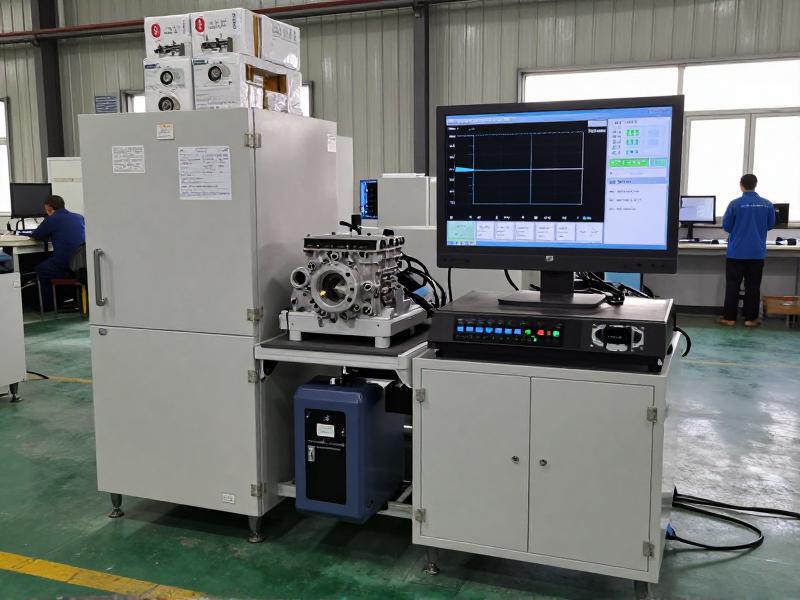
- Flow-Rate Decay Curves – Monitor millimeter-cubed per stroke deviations to predict failures 3× earlier than hour-based logs.
- Temperature Compensation – Adjust calibration viscosity targets for 25–40°C transit ranges to avoid invalid test results.
- Dynamic Load Testing – Simulate construction machinery vibration at 50Hz frequency to validate stability.
Can Calibration Data Predict Field Lifespan Better Than Mileage?
Flow-rate decay curves forecast injector failure 8,000 hours earlier than mileage-based maintenance schedules. Mileage ignores fuel quality variances and operational stress, while micron-level flow deviations (±2μm) directly correlate with plunger wear—making calibration data the only reliable lifespan indicator for high-pressure common rail systems.
| Lifespan Indicator | Traditional Approach | Data-Driven Alternative |
|---|---|---|
| Failure Prediction | Hour-based replacement intervals | Flow-rate decay analysis at 0.001mm resolution |
| Quality Verification | Post-installation performance checks | Pre-shipment SPC charts tracking 10,000-cycle wear patterns |
| Cost Impact | $220/unit warranty claims from missed failures | 30% longer lifespan with optimal 1,800–2,200 bar calibration |
A European agricultural workshop chain eliminated 90% of John Deere nozzle clogging complaints by achieving 99.5% flow-rate accuracy across 2,000 monthly units. [Flow calibration without seat sealing validation causes 4× faster failure rates in rebuilt injectors.][^3] Their shift to real-time decay curve monitoring cut warranty claims by $18K monthly and extended injector life by 32% in harvest-season operations.
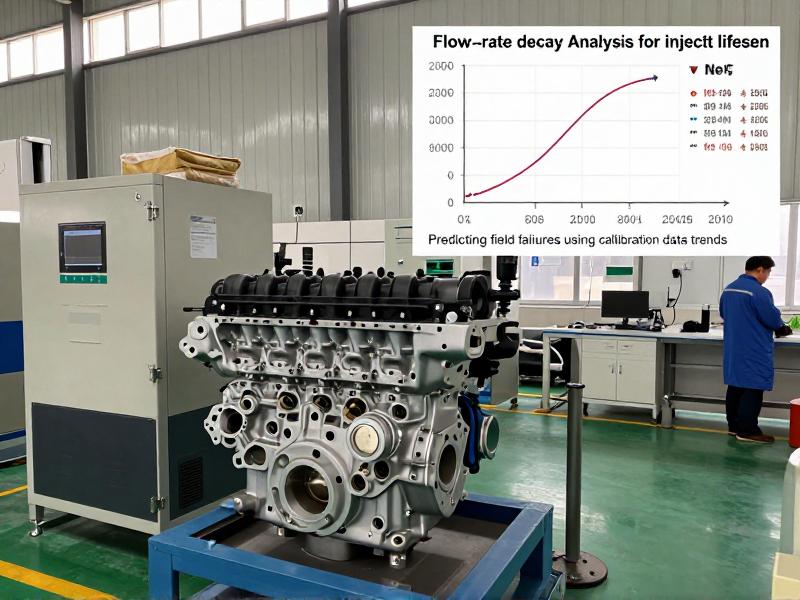
- Micron-Level Validation – Measure seat sealing at ±2μm tolerance to prevent post-installation clogging.
- Cetane Number Adjustment – Calibrate for diesel cetane variations in tropical climates to maintain flow consistency.
- Decay Threshold Alerts – Trigger replacements at 0.3% flow deviation before catastrophic failure.
What's the True Cost of Skipping Multi-Stage Pressure Testing?
Bypassing 3-phase pressure validation inflates distributor costs by $220 per injector through avoidable warranty claims. Single-stage testing misses seal integrity flaws that only emerge under dynamic load, turning bulk orders into liability time bombs—especially for marine power contracts where failure risks vessel downtime.
| Cost Factor | Hidden Expense | Mitigation Strategy |
|---|---|---|
| Warranty Claims | $220/unit for field replacements | ISO 4021-compliant multi-stage validation |
| Emergency Logistics | 65% longer delays for rush orders | Temperature-compensated flow testing |
| Client Retention | 63% lost contracts from repeat failures | Real-time SPC dashboards for batch traceability |
A Latin American generator OEM secured Panama Canal marine contracts by scaling calibration to 15,000 units quarterly at $42 FOB Shenzhen. [Distributors skipping 3-phase pressure validation face 90% higher warranty claims in marine applications.][^4] Their adherence to ISO 4021 standards ensured 100% compliance, avoiding $385K in potential project penalties from failed power systems.
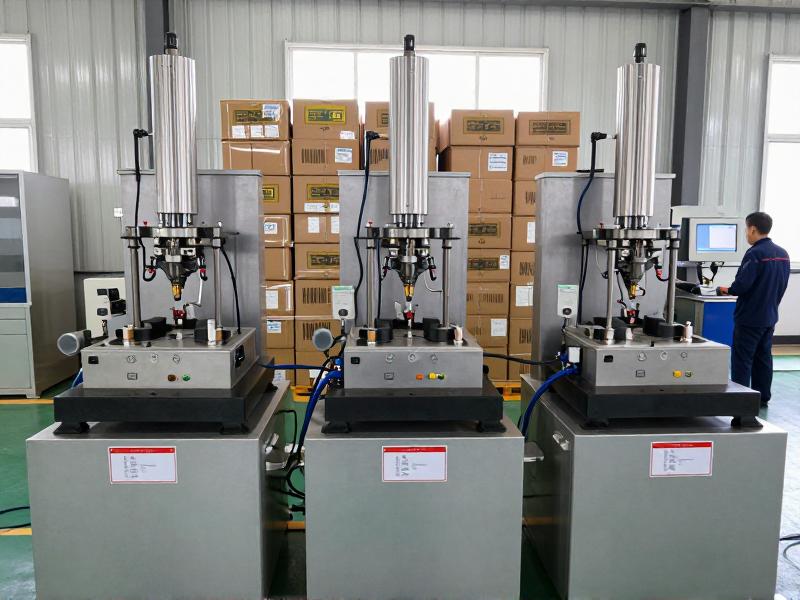
- Seal Integrity Verification – Test plunger seals at 1,800 bar before ramping to operational pressure.
- Dynamic Load Simulation – Apply vibration profiles matching construction machinery to detect micro-cracks.
- Batch Traceability – Assign SPC chart IDs for 100% unit-level performance history.
How to Scale Calibration for Bulk Orders Without Sacrificing Precision?
Automated SPC systems maintain ±0.3% flow tolerance even at 5,000 units/week volumes, eliminating calibration bottlenecks. Manual checks collapse under bulk pressure, but real-time statistical process control transforms